
How to Stay Comfortable on a Long Road Trip (Passenger's Guide)
Discover essential tips for staying comfortable on long road trips. Learn how to prepare and enjoy every mile. Read the article for expert advice!

Most road trip advice is written for the person behind the wheel. But if you are the one riding shotgun or stretched across the back seat for eight hours, your comfort problems are completely different. You cannot adjust the speed, pick the lane, or decide when to pull over. What you can control is how your body feels in that seat, and that is what this guide is about.
Below you will find practical, passenger-specific road trip tips covering everything from seat setup and lower-back support to hydration, sun exposure, and keeping your comfort items within reach.
Disclosure: Journey Fanatics earns from purchases, no extra cost to you!
Key Takeaways
- This article is written specifically for passengers on long road trips, focusing on body comfort: lower back, neck, legs, temperature, sun, hydration, and easy access to comfort items.
- Planning regular breaks every 2–3 hours to move, stretch your legs, stay hydrated, and reset posture prevents the stiffness that builds when you remain comfortable in one position for too long and then suddenly are not.
- Small, repositionable supports like the Travel Fanatics 7x12 microbead pillow and compression socks can make a big difference for lower-back support, neck positioning, and leg comfort without eating up cabin space.
- Staying comfortable also depends on smart choices: layered clothing, sun protection, staying hydrated, organized seating space, and keeping essentials (snacks, a first aid kit, jumper cables, entertainment, and comfort items) easily accessible.
- The sections below include practical solutions, links to Journey Fanatics packing and comfort resources, and a Frequently Asked Questions section to answer common passenger concerns before the conclusion.
Set Up Your Seat for Comfort Before You Hit the Long Road
Before you hit the road, spend five to ten minutes dialing in your seat. It sounds obvious, but most passengers just drop into whatever position the last person left and do not touch anything until their back starts aching three hours later.
Adjust your seat for proper posture and comfort by reclining the seatback to roughly 100–110 degrees. Research on spinal disc pressure shows this slight recline reduces load on your lumbar vertebrae compared to sitting bolt upright at 90 degrees. Your hips should sit slightly lower than your knees, and your head should rest against the headrest rather than hanging forward.
Position the seat so your feet can rest flat on the floor with knees slightly bent. Avoid locking your knees or tucking feet under the seat for hours, both of which restrict circulation and lead to numbness.
Here is the part most passengers skip: small adjustments over time. Every hour or so, shift the recline a notch, slide the seat an inch forward or back, or change your leg angle. These micro-changes redistribute pressure across different contact points and keep stiffness from settling in. If your vehicle has a lumbar dial, seat tilt, or adjustable headrests, use them. These built-in features matter most after the 3–4 hour mark, when static posture starts to catch up with you.
Support Your Lower Back and Neck (Without Overpacking)
Stiffness in the lower back, dull headaches, and sore shoulders are the most common complaints passengers report after a day in the car. Almost all of them trace back to poor spinal support combined with a static sitting position.
Good posture for passengers means maintaining a gentle natural curve in the lower back, keeping shoulders relaxed rather than hunched, chin level, and head resting on the headrest instead of jutting forward. Use lumbar support to maintain back comfort throughout the ride.
You do not need a massive cushion to achieve this. A small pillow or rolled-up hoodie wedged into the lumbar curve restores natural spine alignment. Overstuffed supports actually push your torso too far forward and flatten your hips backward, which makes things worse.
The Travel Fanatics 7x12 microbead pillow is a lightweight, repositionable option that works well here. At seven by twelve inches it is small enough to shift behind your lumbar curve, use as a neck bolster, or tuck between your shoulder and the door for side support without dominating your seat space.
For neck positioning, adjust the headrest height so the center meets the middle of the back of your head. Place a small pillow under the curve of your neck, not behind the skull itself. Avoid leaning hard against the window in the same direction for hours, which creates unilateral strain. Bring a travel pillow for better neck support while sleeping on multi-day trips.
These supports are for comfort only and should not be treated as medical interventions. If you have ongoing pain, ask a healthcare professional for personalized guidance.
Keep Your Legs Comfortable and Your Circulation Moving
Sitting for long stretches causes tight hips, heavy-feeling legs, and swelling in feet and ankles. Studies show that foot and ankle volume can increase by roughly 2–4% over an eight-hour sitting period when legs stay still.
Ideal leg placement for passengers: feet flat on the floor, knees slightly bent at about 90–110 degrees, and no extended time with legs crossed or ankles tucked underneath the seat.
Avoid riding with feet on the dashboard. It feels comfortable for twenty minutes but creates dangerous angles for your hips and spine, and in the event of an unexpected stop or accident, it puts you at serious risk of injury from the airbag.
Compression socks with mild graduated compression (20–30 mmHg) can help improve venous return and reduce swelling during a long drive. Think of them as a comfort tool rather than a medical device. They work best combined with regular breaks and short walks.
A small pillow like the Travel Fanatics can also be placed under or between the knees to take pressure off hips during multi-hour stretches, or along the outer thigh for side support if you tend to lean.
Simple in-seat movements help too:
- Ankle circles every 20–30 minutes
- Gentle calf squeezes (press toes into the floor, hold, release)
- Shift weight from one hip to the other
- Straighten each leg for a few seconds when the road is smooth
Plan Regular Breaks and Micro-Movement Sessions
Comfort on long road trips comes less from sitting perfectly and more from not sitting in exactly the same way for too long. Take breaks every two hours to stretch your legs. On a typical 6–10 hour travel day, that means three to five stops.
Walking for 5–10 minutes at rest stops improves health, resets posture, and clears mental fog. At each stop, try ankle rolls against a curb, a few slow hip circles, and gentle arm swings in a safe area away from traffic. Regular breaks help maintain alertness during long drives for everyone in the vehicle, and switching drivers every 2 hours helps reduce fatigue for whoever is behind the wheel.
For passengers prone to swelling or stiffness, these brief walks work together with compression socks rather than replacing them.
Pair breaks with practical tasks:
- Bathroom visits
- Topping off gas before the tank hits a quarter full (look for the cheapest gas along your route using apps like GasBuddy)
- Checking snacks and water bottles
- Tidying the car to keep it clean and the space feeling fresh
Plan interesting stops along the route for breaks. Use map apps to mark rest areas, parks, or scenic pull-offs in advance. Plan rest stops to explore interesting sites along the way so you actually look forward to them. Taking breaks can enhance the overall enjoyment of road trips rather than feeling like wasted time.
Dress for Long-Ride Comfort and Temperature Swings
Road trip temperatures change quickly: cool mornings, midday sun blasting through the window, and overachieving AC vents all in one day. What you wear matters more than you might think during a long drive.
Wear loose, breathable clothing for long drives. Cotton or bamboo joggers, leggings, or fleece pants are a great option over stiff jeans or tight waistbands that dig in after a few hours of sitting. Layering makes all the difference:
- A moisture-wicking base layer
- A light T-shirt
- A zip-up hoodie or cardigan that is easy to take on and off without needing a full stop
Choose slip on shoes or supportive sneakers that are easy to remove and put back on at rest stops. Soft socks or compression socks keep feet warm and comfortable. Have an extra pair handy in case of sweat or moisture.
For passengers who run cold, a compact sherpa throw blanket or oversized scarf kept on the seat works well. Just make sure it does not block the seatbelt.
Avoid bulky belts, scratchy fabrics, or tight necklines that become more irritating as the hours pass. Keep an extra pair of socks or a light outfit change handy for multi-day long road trips. It is one of those small things that feels like a luxury by day two but is literally just planning ahead.
Manage Sun, Glare, and Temperature on Your Side of the Car
If you have ever been stuck in the sunny passenger seat with one shoulder and one side of your face overheating for hours on a long road, you know this is a real problem, not a minor inconvenience.
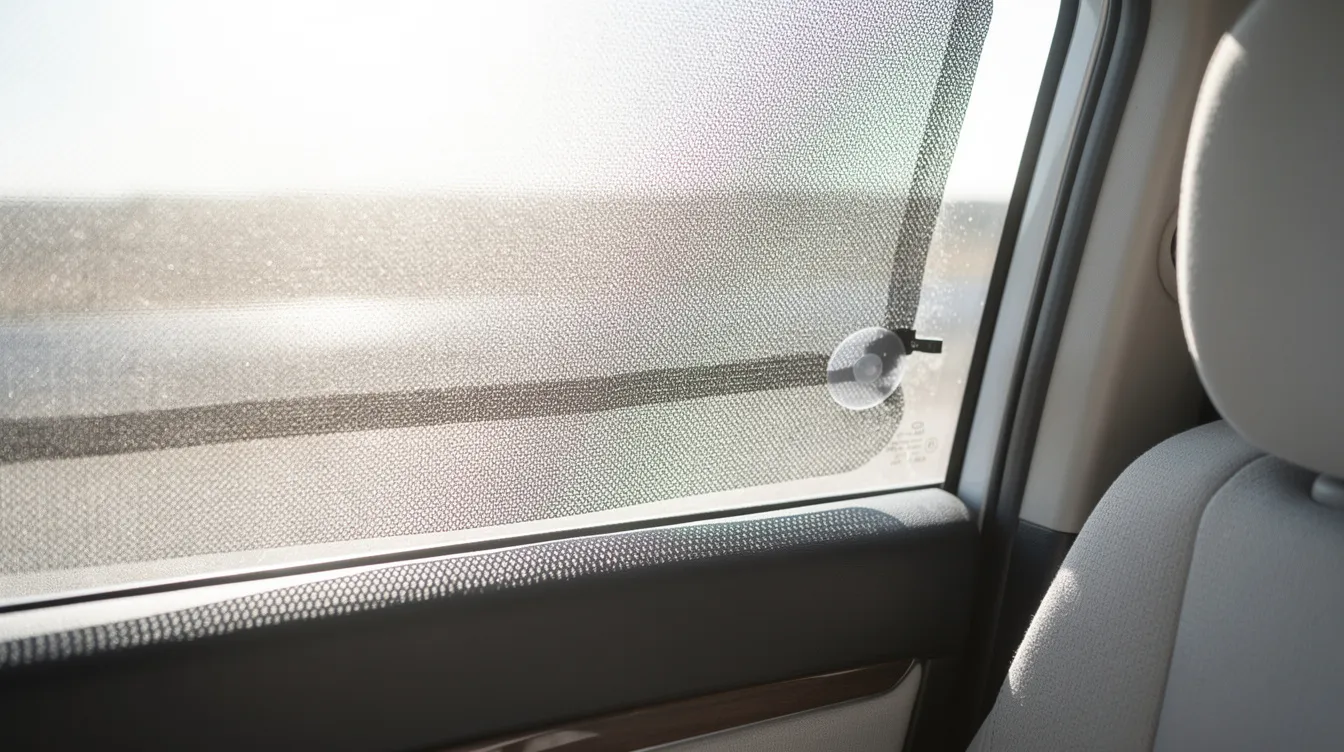
Start with window management. Stick-on window shades, clip-on visors, or adjustable sunshades can be moved as the sun angle changes during the day. Sunglasses with UV protection ease eye strain from glare off the road, water, or snow. The FDA recommends sunglasses blocking 99–100% of UVA and UVB rays, and polarized lenses are especially effective at cutting road glare, which helps reduce fatigue and headaches.
Manage temperature from your seat without starting a climate-control argument:
- Adjust vents away from your face if cold air is blowing directly on you
- Use a light blanket instead of asking the driver to turn down the AC for everyone
- Layer on or off instead of suffering through extremes
For especially sun-sensitive skin, arm sleeves designed for driving work for passengers too, not just drivers, when the sun hits the same forearm all day. Apply SPF to exposed skin before leaving and reapply during longer stops. Keep a small SPF lip balm and travel-size sunscreen within reach in the door pocket. The sun can be hot enough to cause real discomfort even when the cabin temperature feels cool.
Hydration, Smart Snacks, and Staying Ahead of Nausea
Dehydration causes fatigue, headaches, and muscle cramps, all of which make a long road trip feel much longer than it actually is. Drink plain water to avoid feeling sluggish and bloated, and keep a well-stocked water supply for maximum energy throughout the journey. Pack multiple gallons of water for long road trips so you never run dry between gas station stops. Electrolyte powders hydrate more effectively than water alone, especially in hot weather or when the AC is drying out the cabin air.
Keep a personal reusable water bottle within arm's reach rather than buried in the trunk, and sip steadily instead of chugging large amounts at once. Stay hydrated by spacing drinks so bathroom breaks align naturally with your planned rest stops.
For food, pre-planning snacks helps avoid high-sodium gas station options. Pack snacks to avoid unhealthy gas station food and save money during trips. Healthy snacks help avoid fast food on road trips and can help maintain energy levels while driving or riding. Good choices:
- Nuts, trail mix, and cheese sticks (vitamin-packed snacks keep you nourished on long drives)
- Sliced apples and whole-grain crackers
- Protein bars without heavy sugar coatings
Avoid heavy meals to prevent drowsiness while driving or riding. Lighter food keeps your stomach settled, which matters for motion sickness. Those prone to nausea should sit where they can see the horizon, avoid prolonged phone or screen use, choose lighter snacks, and have ginger candies or nausea bands available.
Keep a few wet wipes, a small trash bag, and tissues accessible near the passenger seat. It helps keep the car clean during long stretches and prevents wrapper buildup from making your space feel chaotic.
Organize Your Space and Keep Comfort Items Within Reach
Clutter and constantly reaching into the back seat can quickly turn a long road trip into an exhausting juggling act. Keep the car organized to reduce stress and clutter from the very first mile.
Set up your immediate passenger zone with a small seat-back organizer or door pocket for essentials:
- Phone and charging cable
- Water bottle and lip balm
- Hand sanitizer and tissues
The comfort items that should be within easy reach instead of buried include a small first aid kit for minor scrapes or headaches, any daily medications, an eye mask, earplugs, and the Travel Fanatics 7x12 pillow for quick repositioning throughout the ride.
Use headrest hooks or small bins to keep bags off the floor. This preserves foot room for better leg placement and movement during the trip. When your legs have nowhere to go, everything else starts feeling uncomfortable faster.
At every gas or bathroom stop, do a two-minute tidy: remove trash, reorganize snacks, and re-fold blankets to reset the space before the next leg. It keeps the vehicle feeling fresh rather than increasingly cramped.
Pack a comprehensive list to avoid forgetting essentials, and consider removing half of what you packed to save space. The Journey Fanatics road trip packing list can help ensure everything from jumper cables and an aid kit to entertainment is packed logically so comfort items are not hidden under luggage.
Pack a Practical Comfort-Focused Kit (Not Just Gadgets)
The goal here is to solve real problems like stiffness, cold air, and dry skin rather than collect random accessories. Every item should earn its space.
A compact first aid kit should include:
- Bandages, antiseptic wipes, and blister pads
- Basic pain relievers (per label directions)
- Antihistamine tablets
- Any specific items your family regularly needs
Add a mini comfort pouch for passengers: lip balm, travel-size lotion, facial mist or wipes, hair ties, mini deodorant, and a toothbrush kit for multi-day trips.
The Travel Fanatics 7x12 pillow earns its spot by doing multiple jobs: lumbar support, neck bolster, between-the-knees pillow, or armrest against the door. It reduces the need to pack several larger cushions and is light enough that it does not eat into your baggage allowance.
Before the trip, prepare the vehicle itself. Check tire pressure before a long road trip and make sure you know where the spare tire is. Ensure oil and other fluids are topped off before traveling. Replace windshield wipers if they are worn out, and check headlights and turn signals for proper functionality. A full gas tank is recommended before starting a trip. An emergency car kit with jumper cables, a flashlight, basic tools, and reflective triangles may never be used, but knowing it is there helps passengers relax.
Pack only what fits into one or two small bags that can live in the cabin. Scattering items throughout the car leads to frustration and lost gear mid-trip.
Stay Mentally Comfortable: Entertainment, Connection, and Downtime
Physical comfort is only half the equation. Boredom and irritability can make even a well-supported seat feel miserable on long road trips.
Prepare offline entertainment before leaving. Podcasts are available on various topics for road trips, from true crime to comedy to history. Audiobooks can be accessed for free with library cards through apps like Libby or Hoopla, so grab your library card and download a few titles before you lose signal. This is a smart way to save money on entertainment.
Some passengers feel better listening to audio than using screens, which can trigger motion sickness on winding roads. Netflix and similar services are great for passengers to watch during straight highway stretches, and the Nintendo Switch is popular for gaming on road trips when screens do not bother you. Road trip games can keep passengers engaged during long drives too. Road trip questions for fun and connection are another way to spark conversations that make the hours feel shorter and deepen relationships with the people sharing your ride.
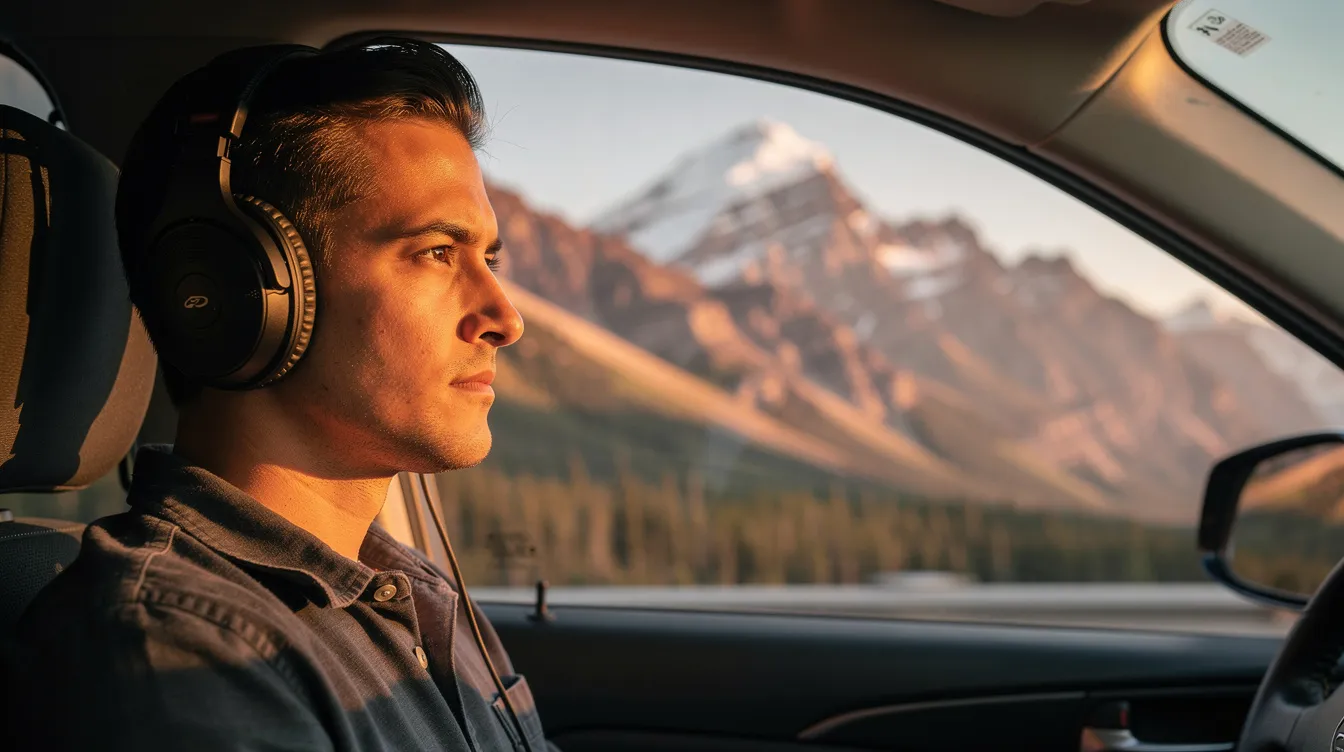
Balance stimulation with rest. Alternate active time (games, conversation, free audiobooks) with quiet time using an eye mask, a gentle playlist, and a short nap with your Travel Fanatics pillow behind your neck. Keep headphones and a small device charger organized so each passenger can slip into their own routine without disturbing others in the car.
Use Small Gear Tweaks to Improve Comfort (Without Overhauling the Car)
A few small, targeted gear changes can significantly improve passenger comfort without turning the vehicle into a rolling gadget showroom.
If you also share driving duties, a steering wheel cover that makes summer road trips more comfortable can reduce driver fatigue, and rested drivers indirectly make the ride smoother and more enjoyable for passengers.
A simple seat-back trash can or small bin for wrappers and cups helps keep the passenger area clean and reduces the clutter stress that builds up on day two or three of a trip. A compact clip-on reading light or e-reader with adjustable brightness lets night passengers read or do puzzles without flooding the car with overhead lights and disturbing everyone else.
Use car window shades, arm sleeves, or a small blanket to fine-tune temperature and sun exposure on each side of the car instead of constantly arguing over the main climate controls. These are cool, low-cost fixes that address a specific problem.
Every added item should earn its space by fixing a specific comfort problem. Test gear on shorter drives before the next big multi-day long road trip. How much time you spend uncomfortable on the road often comes down to whether you prepared for predictable problems or ignored them.
Frequently Asked Questions About Staying Comfortable as a Passenger
Below are common passenger questions not fully covered above, focusing on practical, experience-based concerns.
How often should I move or stretch on a long road trip if I'm only a passenger?
Aim to change position slightly every 20–30 minutes: adjust your legs, shift your hips, or move the Travel Fanatics pillow to a new location. Take a full walking break every 2–3 hours where you stand, stretch, and move around for at least five minutes.
People with circulation or joint concerns may need more frequent movement and should follow their healthcare provider's personalized advice. The idea is to avoid staying locked in one position long enough for stiffness and swelling to set in.
Where is the best place to sit in the car for maximum comfort on long drives?
The front passenger seat tends to offer the best legroom, the widest view of the road, the best airflow from vents, and the most recline options. It is the best location for passengers who want to remain comfortable and avoid feeling stuck.
Rear window seats give decent shoulder space but less recline. The middle rear seat typically has the least legroom and the most restricted movement due to the central tunnel. Passengers prone to nausea usually do best in the front seat or the rear seat behind the driver, where they can catch a clear view of the horizon.
How can I nap safely and comfortably in the car?
Keep your seatbelt worn correctly. Recline your seat slightly, around 100–110 degrees, but do not go fully flat. Support your head with a neck pillow or the Travel Fanatics pillow behind your neck or tucked between your shoulder and the window.
Use an eye mask and a light blanket, and coordinate with the driver so music volume and climate are set before you fall asleep. A quick nap on a smooth stretch of highway can make the rest of the journey feel dramatically more enjoyable.
What should I do if I start to feel stiff or sore but we can't stop yet?
Try quick in-seat options while staying belted: ankle circles, gentle shoulder rolls, slow neck range-of-motion within a comfortable range, and small pelvic tilts. Even these minor movements make a big difference when a full break is not possible yet.
Adjust the seatback a notch, move your pillow to a new support spot, and plan the next possible stop to walk and reset. Do not forget that even a one-minute stop at a rest area to stand and stretch is better than pushing through another full hour of discomfort.
Is it okay to use heated seats or cooling cushions for comfort as a passenger?
Moderate use of heated seats or cooling cushions can improve comfort, especially on chilly mornings or hot afternoons. Avoid setting them to extremes for long periods, which can dry out skin or mask circulation issues. Use them as one layer of your overall comfort strategy rather than the only tool.
Layer clothing so you can tolerate a neutral cabin temperature that also keeps the driver comfortable and alert. A fun approach: use heated seats for the first thirty minutes of a cold morning, then switch them off and rely on your layers for the rest of the ride.
Conclusion: Build Your Own Comfortable Passenger Routine
Long road trips feel shorter when passengers combine smart posture, targeted support like a small Travel Fanatics 7x12 pillow, regular breaks, and thoughtful clothing and hydration choices. None of these require expensive gear or complicated preparation, just a willingness to plan ahead and pay attention to what your body is telling you.
Experiment on shorter drives to learn which seat setups, layers, snacks, and entertainment styles keep your own body and mind most comfortable. Everyone's ideal routine is slightly different.
Use Journey Fanatics resources like the road trip packing list and comfort accessory guides to build a personalized system you can reuse and refine for every future trip. A bit of preparation turns "let's just get there" into "let's actually enjoy the ride" for passengers and drivers alike. That shift in mindset might be the most important road trip tip of all.
Happy Travels! 🌍