
How to Keep Dirty Clothes from Smelling in a Suitcase
Keep your suitcase fresh with practical tips to prevent dirty clothes from smelling. Read on for effective solutions to travel odor issues!

Nobody wants to open a travel suitcase and get hit with a wave of stale sweat. Whether you're on a week-long beach vacation, a summer road trip, or a cruise with limited laundry access, dirty clothes can turn your luggage into an odor trap fast. The good news is that a few simple habits can keep your suitcase smelling fresh from departure to homecoming.
Disclosure: Journey Fanatics earns from purchases, no extra cost to you!
Key Takeaways
Odors develop mainly when damp, sweaty clothes are sealed inside tight spaces where bacteria thrive. The fastest way to prevent an unpleasant smell is to let clothing dry fully before packing it and to keep worn items separated from clean ones at all times.
- Air-dry sweaty clothes overnight before putting them in your suitcase.
- Use a dedicated travel laundry bag, such as the Travel Fanatics Travel Laundry Bag, to gather and separate worn clothing from clean items. It organizes and contains laundry rather than eliminating odors on its own.
- Choose natural fibers like cotton and wool, which resist odors more effectively than most synthetics.
- Use packing cubes to separate clean and dirty clothes so smells don't migrate.
- Wash small essentials like underwear and socks every one to two days on longer trips.
- Simple fresheners such as dryer sheets or a cotton ball with a few drops of your favorite essential oil can help keep luggage smelling fresh, but they should support good drying and packing habits, not replace them.
Why Dirty Clothes Make Your Suitcase Smell
Bacteria living on your skin transfer to fabric every time you wear it. When those bacteria break down sweat and skin oils, they produce volatile organic compounds - the source of that sour, musty stink. A Ghent University study found that polyester shirts smelled significantly more unpleasant and intense than cotton shirts after a spinning workout, confirming that fabric type directly affects how quickly odor builds.
Moisture supercharges the problem. Sweat from an active sightseeing day, pool water clinging to a swimsuit, or a shirt hand-washed and not fully dried - any of these create the damp environment bacteria need to multiply. Seal that moisture inside a suitcase on a warm summer trip, and you're creating conditions for mildew in linings and tightly packed garments.
Natural fibers like cotton and wool resist odors because they absorb moisture into the fiber itself rather than letting it sit on the surface. Synthetic fabrics, especially inexpensive polyester, trap moisture in interstitial spaces and host different bacterial communities that produce stronger-smelling compounds. Fragrances alone - sprays, scented dryer sheets, essential oils - only mask the unpleasant odors if items are still damp or heavily soiled.
Let Clothes Dry Completely Before They Ever Go in the Suitcase
The single most important step to keep a travel suitcase smelling fresh is never sealing sweaty or wet clothes inside. This is the non-negotiable rule for beach trips, hiking days, and cruise shore excursions. Avoid packing wet or damp items to reduce musty smells - period.
Hotel and rental strategies:
- Hang items on hangers in the shower, over a towel bar, or near the air-conditioning vent.
- Roll a dry towel inside very damp clothes and press to absorb excess moisture before hanging.
- Crack a window if the air outside is dry; fresh air and even indirect sunlight help reduce bacterial load.
Road trips and camping:
- Clip clothes to a travel clothesline or hang them in the car overnight with windows slightly open.
- Hanging clothes outside helps them air out and smell fresh whenever you have access to a safe outdoor space.
Air out damp clothing to prevent mildew before packing. To check if items are truly dry, press the thickest area - armpits, waistbands, inseams. If you feel any cool or clammy spots, the garment needs more time.
If something can't dry completely before checkout, wring it gently, wrap it in a towel, then store it in a separate plastic bag away from all other clothing. Lay it out to dry the moment you reach your next stop.
Separate Dirty and Clean Clothes the Smart Way
Managing where dirty clothes go each day is one of the most effective ways to keep luggage fresh, especially on a week-long trip with limited laundry access. Without separation, odor from one sweaty shirt can spread to clean ones sitting right next to it.
Set up a simple three-zone system:
- Clean clothes in one area or cube
- Worn but rewearable items (jeans, light layers) in a second zone
- Definitely dirty clothing - sweaty tops, socks, underwear - in a dedicated laundry bag
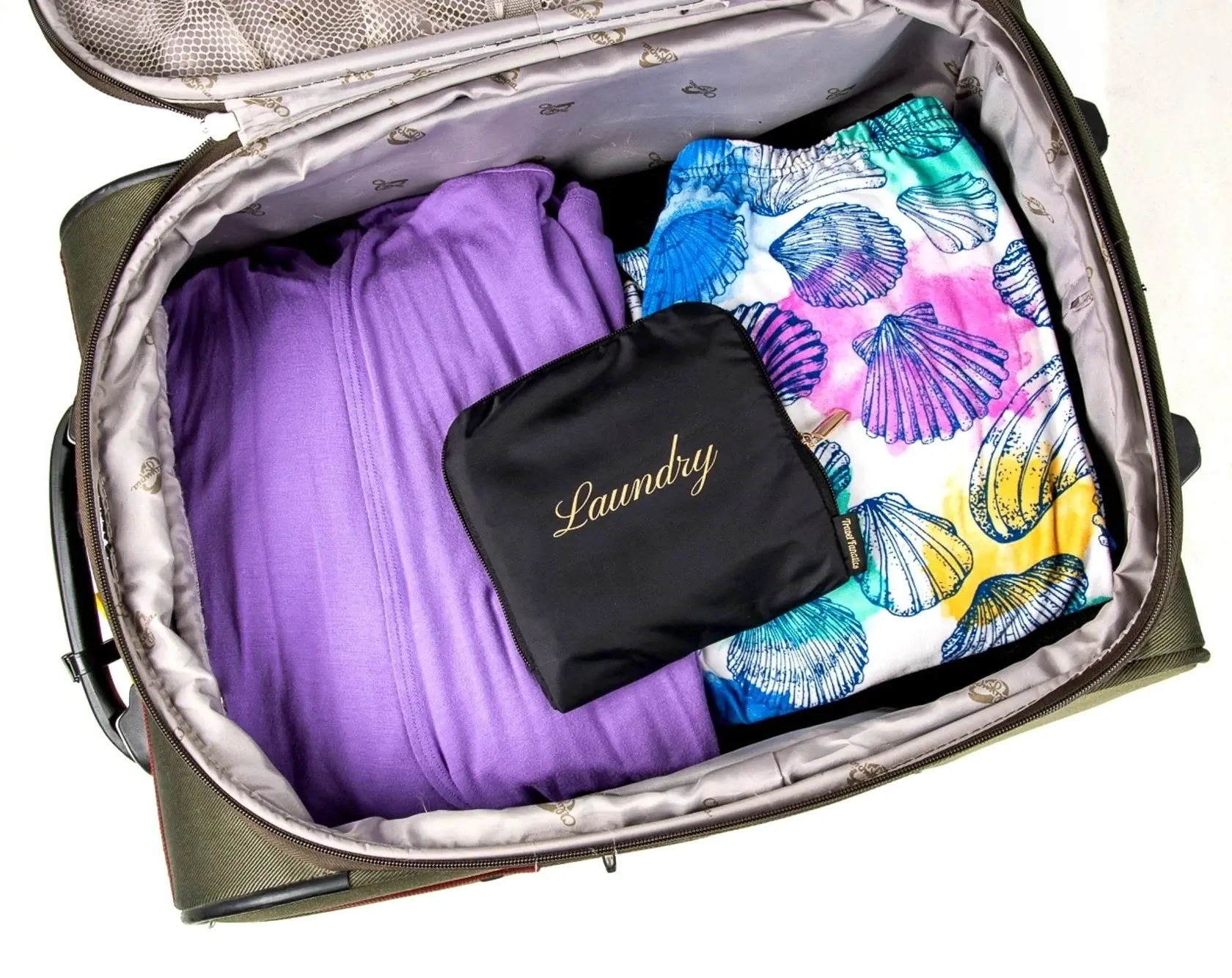
The Travel Fanatics Travel Laundry Bag is a reusable, durable nylon bag built for exactly this purpose. It opens to approximately 22 × 21 inches, giving you room for socks, underwear, swimsuits, T-shirts, gym clothes, and even shoes. When empty, it folds down to about 6 × 6 inches - small enough to tuck into any suitcase pocket. The zipper and drawstring closure keeps laundry gathered and separate from the rest of your gear.
A laundry bag organizes and contains dry, dirty clothes and helps limit odor transfer, but it does not magically neutralize smells if items are still damp or very sweaty. For gym clothes, place them in a double-sealed bag until washed if they're particularly soaked. You can also isolate dirty garments from clean items using sealed moisture-resistant bags when needed, or use dedicated antimicrobial bags to prevent odor-causing bacteria from growing in extreme heat.
For more visual packing examples and alternative separation systems, check out the Journey Fanatics guide on how to keep clean and dirty clothes separate in a suitcase.
Use Packing Cubes and Smart Bag Layout to Contain Odors
Packing cubes create physical barriers between clean clothes, lightly worn pieces, and clearly dirty laundry. Using packing cubes helps separate clean and dirty clothes so that a single sweaty pair of socks doesn't compromise an entire main compartment.
Sample cube layout for a carry-on:
Cube | Contents |
|---|---|
Cube 1 (light color) | Clean tops and shirts |
Cube 2 (light color) | Clean bottoms and dresses |
Cube 3 (dark color) | Worn / laundry items |
Shoe bag | Sneakers, sandals |
Pack a different colored item or cube to mark dirty clothes so you can identify them instantly. For weekend trips, one medium cube handles all worn clothing. For 10–14 day vacations, use a dedicated laundry bag plus a separate cube for gym gear or swimwear.
Designate a pocket in your bag for dirty laundry once the laundry cube or bag fills up - that "forgotten" front or side pocket works well as a secondary zone. Check all the pockets before repacking so nothing gets left behind.
Cubes and bags work best when clothes inside are fully dry and not crammed so tightly that air can't circulate. A little breathing room prevents stale, musty smells over multi-day travel. Journey Fanatics covers overall suitcase strategy in its guide on the best way to pack a suitcase, which complements this odor-control advice.
Choose Fabrics and Outfits That Naturally Stay Fresher
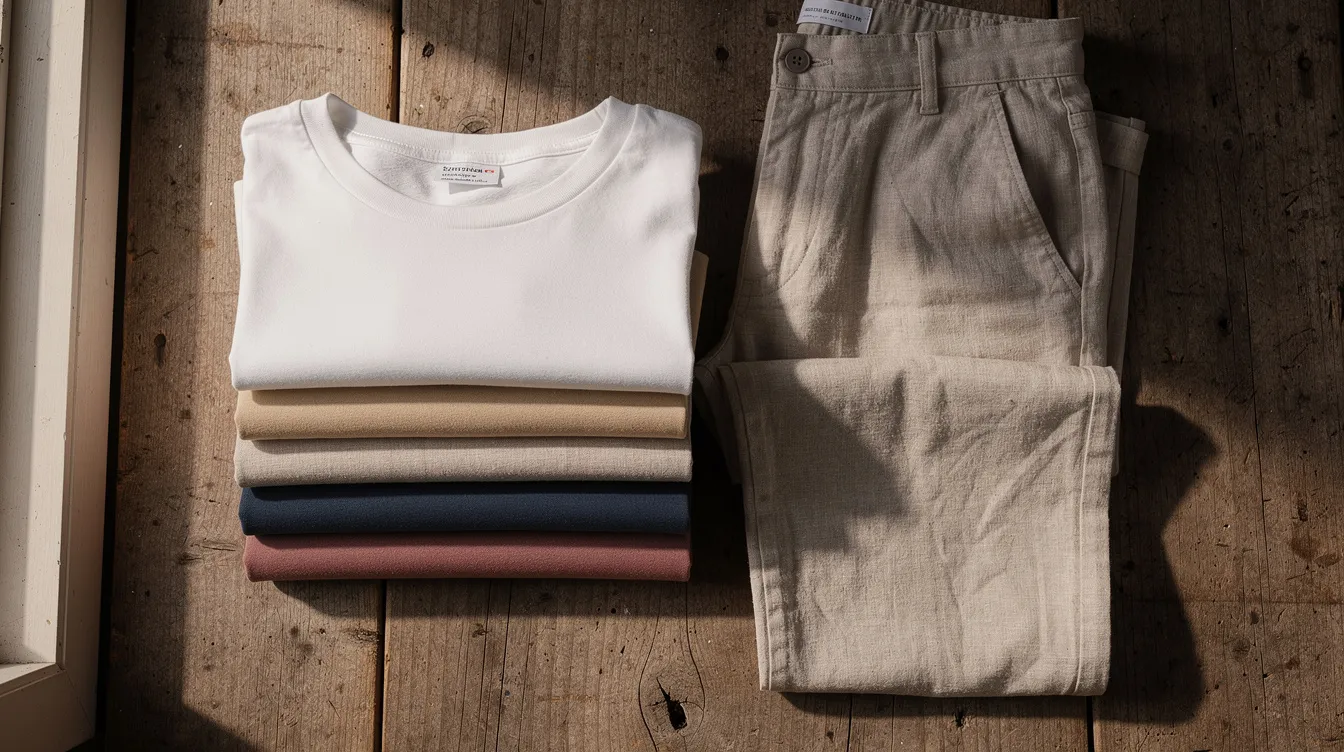
What you pack matters as much as how you pack it. Natural fibers like cotton and wool resist odors effectively because they handle moisture differently than synthetics. Research from The Woolmark Company found that wool retains 66% less body odor intensity than polyester and about 28% less than cotton, thanks to its ability to absorb moisture up to roughly 33% of its own weight.
Linen and bamboo blends also breathe well and tend to stay fresher after a full day of wearing. In contrast, many synthetic fabrics hold onto body odor more stubbornly after warm days of walking or hiking - those pieces should go straight to the laundry bag sooner.
Pack more tops than bottoms for versatile outfits. Rotating clean shirts while re-wearing neutral, darker pants or shorts reduces both laundry volume and the dirty-clothes load in your suitcase.
Odor-conscious core pieces for a 7-day trip:
- 2–3 merino or cotton T-shirts
- 1 linen or cotton-blend travel dress or button-down
- 1–2 pairs of quick-drying shorts
- 2–3 pairs of wool or bamboo socks
Wrinkle-resistant, quick-drying travel clothing can be hand-washed at night and reworn the next day, keeping the overall pile of dirty laundry smaller.
Freshen Your Suitcase with Safe, Simple Scents
Scent boosters are optional and should complement good drying and separation habits - they keep luggage smelling fresh but do not disinfect fabric or rid clothing of bacteria.
Dryer sheets: Tuck one or two scented dryer sheets at the edges of your suitcase or in the separate compartment with clean clothes. Dryer sheets can keep clothes smelling fresh in luggage, but swap them out on trips longer than a week if the scent fades. Cedar chips can replace dryer sheets for freshness if you prefer a more natural option.
Essential oils: Essential oils provide a natural scent for clothes and can naturally eliminate bad smells in luggage. Add a few drops of lavender, lemon, or eucalyptus to a cotton ball, let it dry slightly, then simply place it in an outer pocket or mesh area where it won't touch clothing directly. Use just a small amount to avoid skin irritation or stains.
Other options: Small fabric sachets, cedar chips, or tea bags in a breathable pouch offer a light fragrance. You can also add moisture-absorbing deodorizers to neutralize musty smells. Natural odor absorbers include activated charcoal and baking soda - simply add a small sachet of either to absorb odors between clothing layers.
For travelers with allergies or sensitive skin, skip strong scents and focus on good laundry and drying routines instead. Mid-trip, do a quick freshness reset: air out your open suitcase near a window or balcony and replace any scent pads or dryer sheets before repacking.
Wash Essentials on the Road to Control Odors
During longer trips of five or more days, washing a few pieces - underwear, socks, and the sweatiest tops - keeps both your wardrobe and suitcase smelling fresh. You don't need a full laundromat visit every day. Even a quick wash and overnight dry can dramatically cut down on odor.
Travel laundry detergent is a compact solution for hotel sinks, cruise cabins, and vacation rentals. Journey Fanatics covers the best options in its guide to the best travel laundry detergent for washing on the go. Travel laundry detergent sheets are especially worth considering - they're lightweight, TSA-friendly, and dissolve quickly in a sink or bathtub.
Simple hand-washing routine:
- Fill the sink with cool or lukewarm water.
- Dissolve a detergent sheet or a small amount of liquid detergent.
- Soak garments for 5–10 minutes, gently agitate.
- Rinse thoroughly until water runs clear.
- Squeeze excess water into a dry towel.
- Hang to dry overnight.
Realistic wash schedule:
- Warm-weather or active travel: wash clothes - underwear and socks - every night or every other night; wash or rinse sweaty tops after 1–2 wears.
- Cooler, low-activity trips: stretch intervals, but still wash before odor builds noticeably.
Extra Tips for Shoes, Wrinkles, and Long Travel Days
Shoes and tightly packed clothes can also contribute to a stale suitcase smell, so a few small tweaks go a long way on extended itineraries.
Shoes: Separate shoes from clothing to prevent odor transfer. Limit yourself to 2–3 pairs, let sneakers and sandals dry fully after beach or rain days, and pack them in their own bag. If desired, place a dryer sheet or small sachet inside each shoe. You can also store shoes in the Travel Fanatics Travel Laundry Bag when it's not full of clothing.
Compression: Tightly rolled or compressed clothes can trap odors if garments were even slightly damp. Use compression sparingly - save it for bulkier, very dry items like jeans or jackets rather than pieces worn in hot, humid conditions.
Tools that help travel clothes smell great and remove wrinkles:
- A compact travel steamer or wrinkle-release spray for musty creases
- A small folding clothesline
- Lightweight hangers for hotel rooms or a closet
Hang outfits immediately on arrival at each hotel or cruise cabin to let fabric breathe. On very long travel days or multi-stop road trips, do a quick evening reset: hang worn items, sort dirty clothing into the laundry bag, and air out the open suitcase. Unpack dirty clothes immediately after a trip to prevent odors from settling into the lining.
Frequently Asked Questions
Below are quick answers to common questions travelers ask about keeping dirty clothes from smelling in a suitcase, covering situations not fully addressed above.
Can I pack damp swimsuits or workout clothes if I'm in a rush to check out?
Ideally, no. But if you must, gently wring the items, roll them in a towel to remove as much water as possible, then place them in a separate plastic bag or wet bag away from all other clothing. Use odor-blocking bags to seal in moisture and odors when nothing else is available.
Unpack and hang these damp pieces as soon as you reach your next destination to prevent mildew from developing in your suitcase lining. Repeatedly packing wet items on a multi-stop trip is the fastest way to end up with a persistently smelly suitcase, so limit how often you resort to this.
How often should I empty my travel laundry bag on a long trip?
On trips longer than a week, aim to do a proper wash when the Travel Fanatics Travel Laundry Bag is about three-quarters full, so clothes aren't overly compressed and odor isn't building.
If laundry facilities are limited, hand-wash the highest-odor items - underwear, socks, sweaty tops - every few days and leave less-worn pieces in the bag until you reach a laundromat or return home. On road trips or rental stays, quickly emptying and airing the laundry bag outdoors can help prevent odors from lingering in the bag fabric between uses.
What's the best way to keep my suitcase itself from smelling over time?
Clean the suitcase regularly to prevent lingering smells. After each trip, fully empty it, vacuum out crumbs or sand, and leave it open in a dry, ventilated area overnight. You can also wipe down interior surfaces with a damp cloth.
Baking soda absorbs odors in luggage effectively - sprinkle a light layer inside, wait a few hours, then vacuum it out. Activated charcoal is a powerful odor absorber for luggage as well; place a small box or pouch inside between trips. For your new suitcase or an older one, avoid storage in damp basements and never put it away with damp laundry bags or plastic bags still inside.
Are plastic bags a good replacement for a travel laundry bag?
You can use plastic bags to contain odors from dirty clothes in a pinch, but if you tie them tightly around damp or sweaty clothing, they can actually make odors worse by trapping moisture and preventing airflow.
A reusable laundry bag like the Travel Fanatics Travel Laundry Bag is designed to separate and organize worn clothes without being sealed airtight, which is better for both odor control and repeated trip use. Use plastic bags for very wet items only until they can be dried, then transfer dry clothes into the reusable laundry bag for the rest of the journey.
Ending Our Journey
Keeping dirty clothes from smelling in a suitcase comes down to three habits: drying items completely, separating worn clothing from clean ones with tools like the Travel Fanatics Travel Laundry Bag and packing cubes, and washing essentials during longer trips. These habits work whether you're on a weekend getaway or a multi-week adventure.
Scent boosters such as dryer sheets or a cotton pad with a few drops of lavender can help your suitcase stay smelling fresh, but they work best when combined with breathable fabrics, thoughtful outfit planning, and regular air-drying at each stop. Set up a simple daily routine - hang clothes, sort dirty items into the laundry bag, give the suitcase a quick air-out - and odor will never have a chance to take hold.
Journey Fanatics has more detailed guides on packing strategy and travel laundry to help you refine your personal system for every trip ahead.
Happy Travels! 🌍